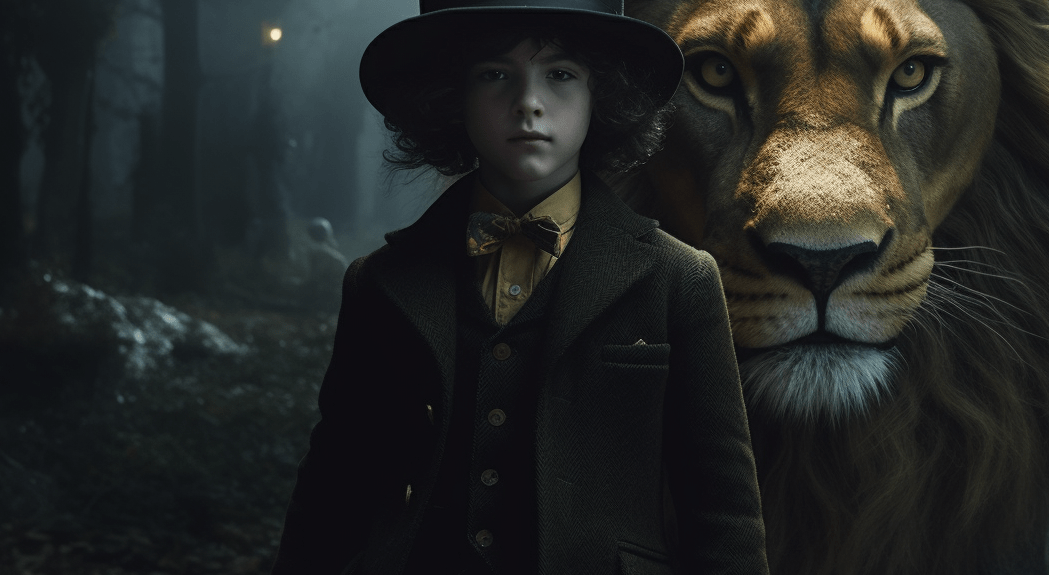
NETFLIX MAKES A HARRY POTTER-TOLKIEN NIGHTMARE OUT OF YOUR FAVORITE NARNIA-LIKE CHILDHOOD STORIES.

AND THAT MAKES SOME PEOPLE CRAZY MAD.
SOMEONE IS KILLING THE CHILD ACTORS FROM A CLASSIC FILM.
Or are they?
The child actors from a famous magical children’s film series are all grown up and haunted—literally—by the mythical spirits of that realm which they thought was only a made-up Hollywood neverland.
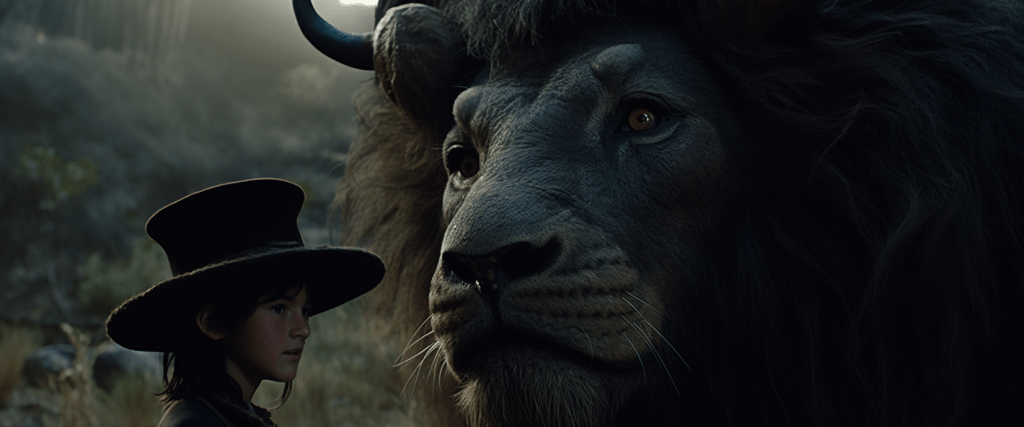
This, of course, is FANTHOM, the Netflix series that so touches a nerve it has aroused something of a protest movement to tone it down, simply because it is just too good at making us scared at childhood.
What could be nothing more than a variation on a haunted house theme becomes much more emotional with the addition of a marginalized fan whose involvement in this fictional movie series becomes a heartfelt journey toward becoming important in some way to the world of ordinary human beings.
Unlike FANTHOM, let’s start at the start.
SETTLE IN.
YOU’RE GOING TO NEED SOME TIME
TO DIGEST
THIS ONE.
The Netflix series and origin movie are firmly in the suspense-thriller category, and are all about actors from a completely made-up children’s fantasy book series. The problem is, real audience members in real life think the horror show is viciously ruining an actual children’s storybook by turning it into a horrific adventure. The problem is, there is no such children’s book.
It doesn’t exist. It was made up strictly for use in this horror story.
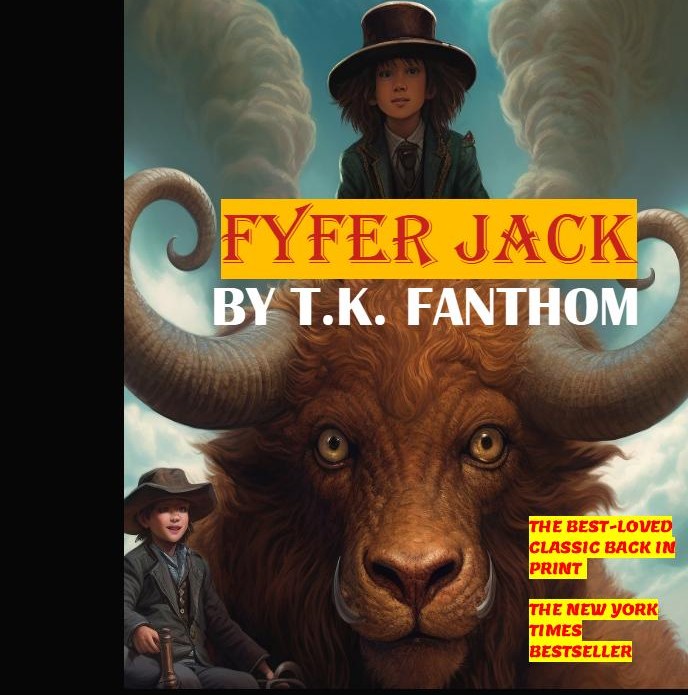
So the thriller is really based on the series of flash-fiction short stories and a novella by the same name that refers to the imaginary movies and wild tales of T.K. Fanthom, a fictional author whose work inspires youngsters toward both good and evil aims.
As this ghost story opens, a group of child actors who are now adults meet for their annual dinner. And that rainy night, they decide to confront the abusive director who made them so terrorized and miserable when they were young performers in a Harry Potter-Narnia type epic film series.
The complication is that the main actor, Nes Amington, may be experiencing either something very real and frightening, or hallucinations brought on by a new sleep medication he’s on that’s rumored to be dangerous…
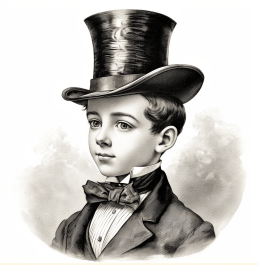
You see, grown-up Nes suffers insomnia and nightmares after playing the Harry Potter-like top hat wearing character Fyfer Jack as a child, and lately it has seemed to him that a sinister group of spirits has begun appearing all over London, perhaps even attacking him and his friends–perhaps from the other side, the fantastical realm of Fanthom itself.
This plotline dovetails with that of a teenage fan who is holed up in the director’s house, and since the narrative is mostly seen from his viewpoint, there is always the suggestion the whole thing may be his fevered imagination at work…
In effect, he represents not just fans, but those so consumed by narrative worlds they cannot cope with reality. He mirrors the life of the main actor Nes, if the actor had not lived a life of fame and privilege.
What I’m saying is, it has layers.
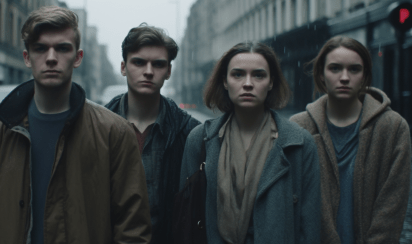
Already the benighted masses are comparing FANTHOM to THE HAUNTING OF HILL HOUSE and M. Night Shyamalan projects but this is mere window dressing: yes, it’s also a dark show, epic and ruminating, with plenty of drawn-out terrors, jump scares, and spectral shocks.
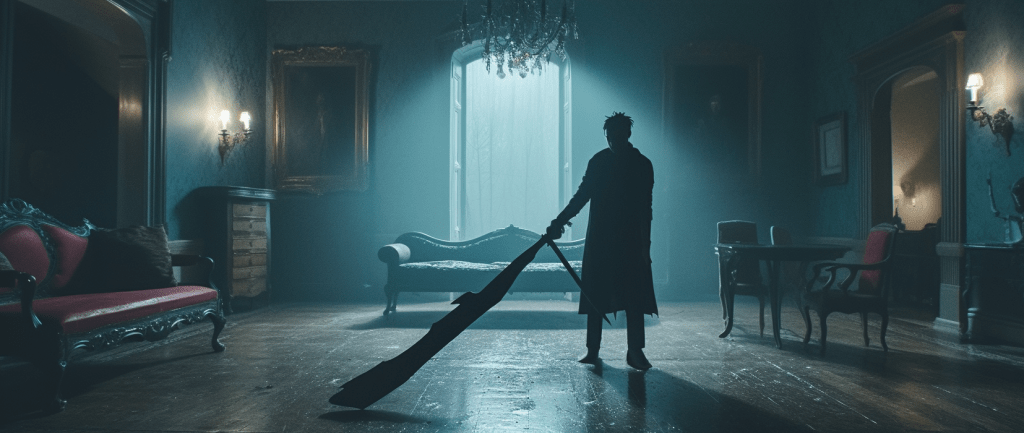
But whereas HILL HOUSE and others like it mine the depth of familiar tropes about family secrets and pain, FANTHOM is altogether something new. The point of this film series is not just to darken the warm images we have of children’s stories (that’s certainly been done before), but rather to focus on the anguish child actors go through for us to have the entertaining fantasies we have, and the casual normalization of their suffering. It’s as if the whole world plays a gaslight game with these actor kids—you’re happy, aren’t you, boy, living the dream?—and they’re supposed to grow up perfectly adjusted.

Actors on the set of the children’s film-within-the film.
In that respect, FANTHOM brings out a theme I have never seen before: the idea that Hollywood is killing our children by pretending it isn’t attacking them and eating them from the inside out with images that warp their self-worth and fill their waking life with nightmares that are extremely unlikely, from school shootings to abductions, all under the guise of helping them to deal with the dangers of the real world. It also has lots to say about toxic fandom actually physically creating horrific monsters.
But you pay your ticket for the fear factor. And this has it in spades.
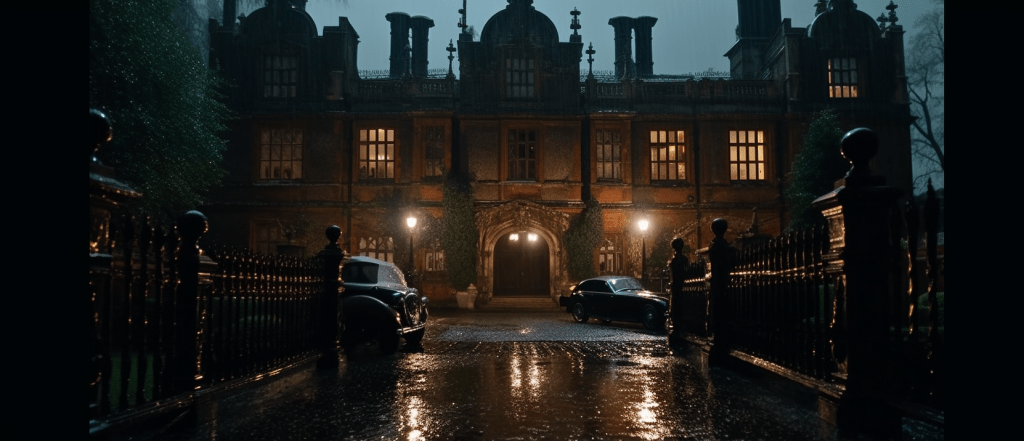
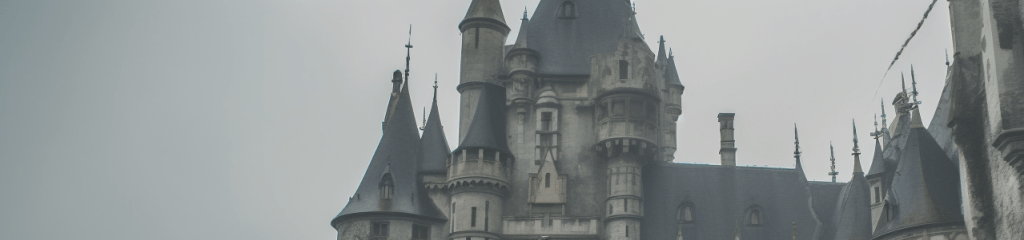
The main attraction in FANTHOM is the ghouls that infest the Estate, the lavish director’s mansion in England that serves as a focus. The eccentric director had the home refitted with enormous sets and props from the dark fantasy children’s movie he made, complete with forts, hobbit-hole like “schoolhuts,” fearsome orc masks and armored figures lining stony halls. It’s like Guillermo del Toro’s real-life house if Peter Jackson’s designer visited for a month or two and added his own touches.
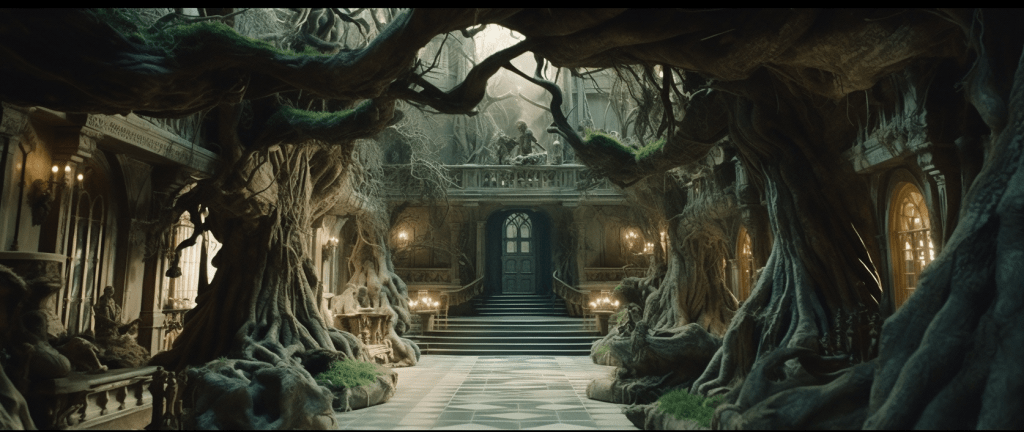
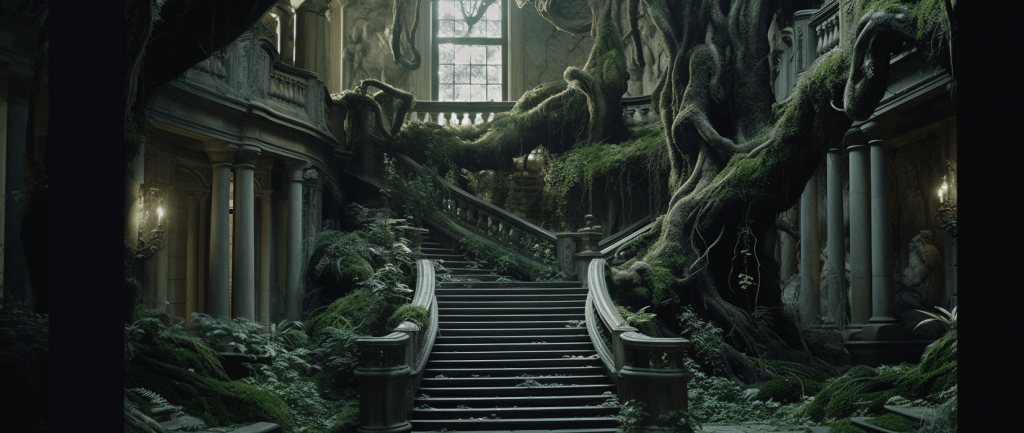
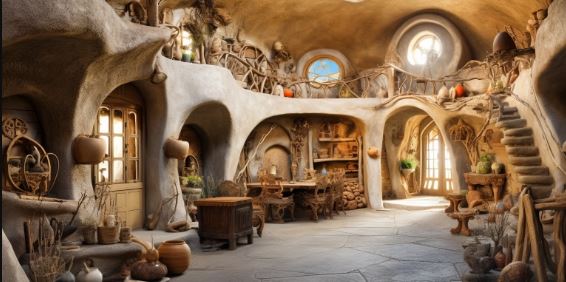
The inside of the mansion looks like this: a series of partly re-created movie sets from the fantasy film that made the director’s fortune. It’s insanely cool.
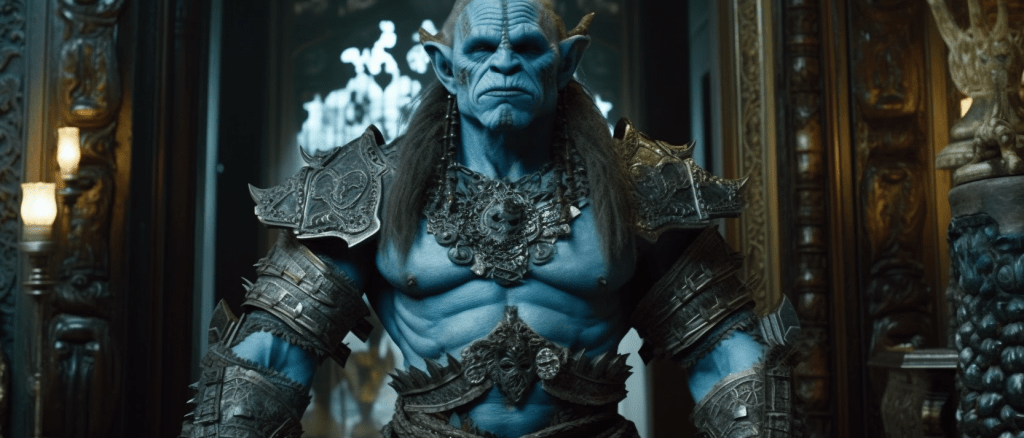
This is inside the mansion, too. It’s a mannequin of the orcs from the Fanthom movie that the director had rebuilt in his English home. It just stands there. It is utterly terrifying to the child actors arriving at the house, as you can imagine.

When the film starts, the Estate is overwhelmed by rainfall and a group of marauding cult fanatics of the Fanthom books and film series who have gathered outside the gates.
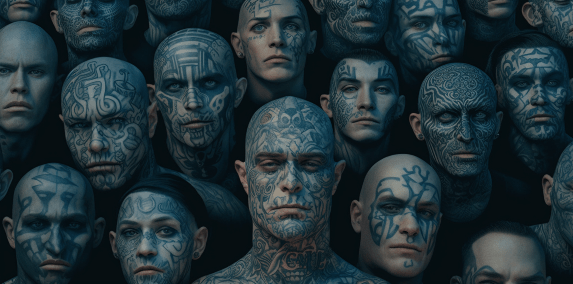
These fans are established as Darth Maul-like figures, with faces tattooed or painted in blue-tinted swirling patterns.
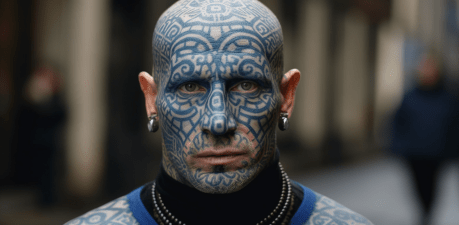
They are this way permanently, striding around London and Paris and New York, obsessed with having one foot in Fanthom’s world. Most are former or current drug addicts, and they truly are frightening.
They are known as Fanthomites, or “the Followers.”
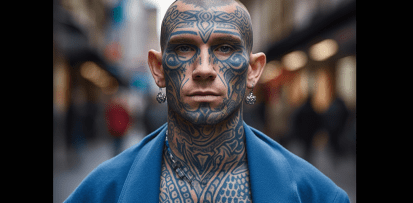
It’s this that makes it hard for Nes to know sometimes if he is seeing reality or not.
It seems that Fanthom, the odd British author, created a Scientology-type religion based on his fables before he died. This vague religion serves as a really interesting backdrop, but it’s primary purpose is to drive urgency, since these people want to burn the new film being edited on the Estate—a film which infuriates them because it was not based on Fanthom’s original tales.
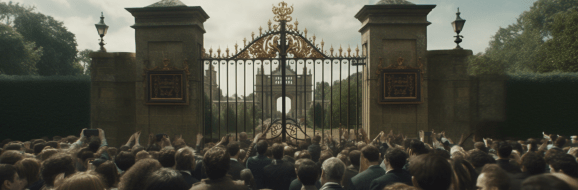
This becomes the reason why the teenage protagonist, Ben, is there at all. A Fanthom expert, Ben accompanies his mother, a highpowered English producer, to the Estate to solve a problem.
There are terrible delays in that film’s editing progress.
What is the cause of the holdups?

The secret reason is: the elderly director has had two strokes in three months, and is mentally gone, unfit to finish the picture. The editor is himself confused about secret footage the director shot with a skeleton crew that makes the movie even stranger. It’s very possible the director wasn’t in his right mind when he had these shots done. Ben tags along with “mum” to help edit the film into releaseable shape before the impatient financiers take over on Monday.
So when Nes Amington and the other grown-up child actors in the old films show up to settle scores with the elderly director, Ben gets a front row seat at the arguments that ensue.

Encircled by the cultish fans outside the rainswept house, and hiding from the media that want at them, too, the “Circle of Children,” as the actors were called, settle in to see what kind of mess the film is in.
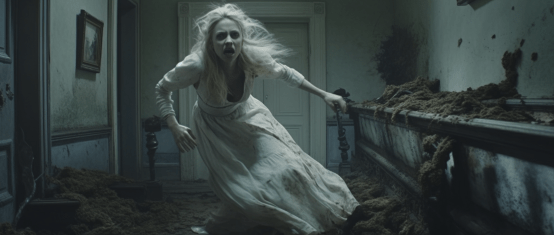
And over the course of that weekend, in the cavernous and rambling British great house, each of them encounters the horrors of Fanthom’s world. Either these things are invading from a real otherworld T.K. Fanthom was describing, or Nes is suffering hallucinations from his new drugs.
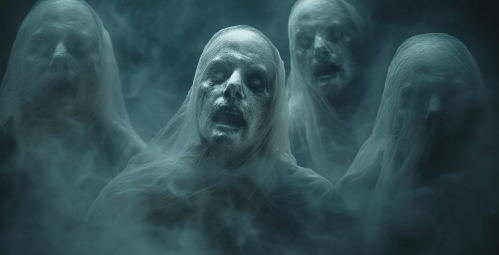
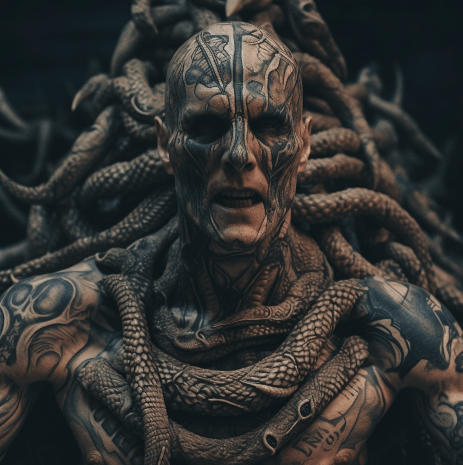
There are albino orcs who go by the name Skolleth and Skommeth (a kind of married version of Gollum and a prophetic witch from Macbeth)…there are the kind-hearted dwarflike Thivvens, rendered here as ghosts that prowl the halls and mutter intriguing, fearful things…and there are the Wraithians, masked warriors who serve Speaknot, the ultimate villain who goes about in a long cloak, his face a series of moving, tattoo-inked snakes…
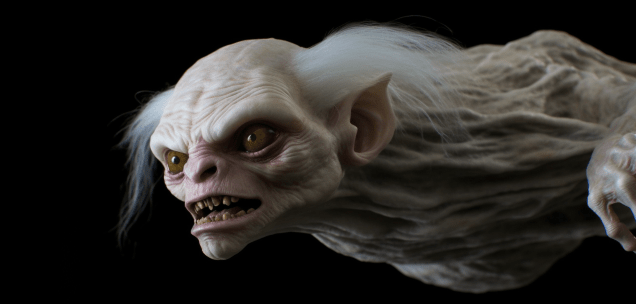
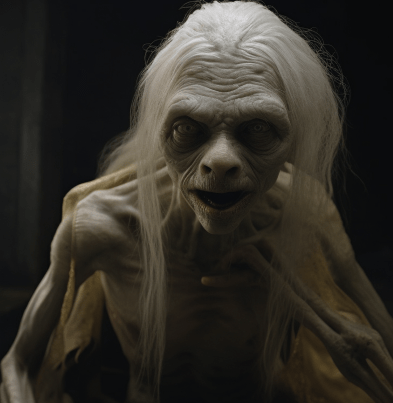
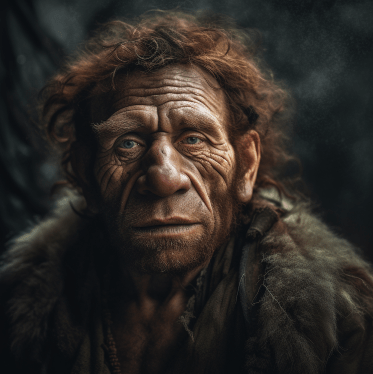
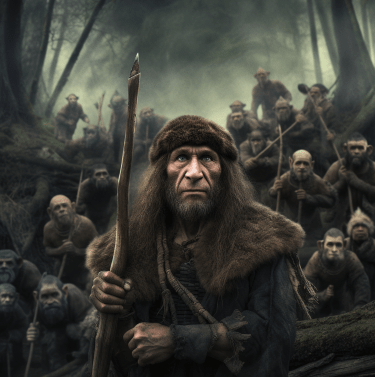
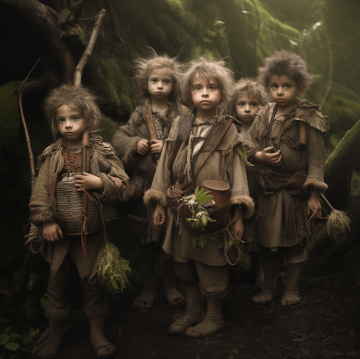
The Wraithians are not:
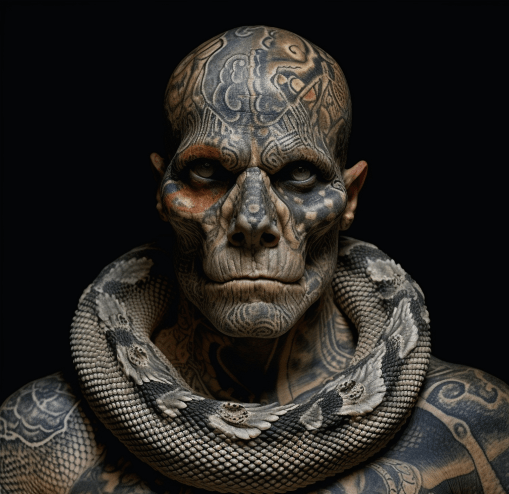
The flashes we see of these foreboding and unsettling characters are dazzlingly creepy…less is more, as they say. And the quietness of this story—as in the best of suspense-building films like SIXTH SENSE and THE SHINING—lends huge value to the attack sequences.
In the end, these things threaten to pull the young with them into another world—and the true terror is that Fanthom’s fairytale like land seems to have been a complete lie—our heroes find out the real magical territory it is based on has very little welcoming or warm-feeling characteristics. It’s like if Narnia were actually bloody and barbaric.
Of course, in the end, we may have just seen psychological horrors here, and these spirits may not exist at all. FANTHOM juxtaposes the two stories of the actor and the fan, weaving them together, to reveal that neither one of them is reliable. The teen fan, Ben, recounting the entire story, may have constructed everything that happened merely in his own head… (The question for the audience is whether the visions he is having of murderous fantasies are flashbacks or coming to him as communication from the ghostly spirits.)

We are left with excruciating hope that there will be a next time, and that we will voyage into Fanthom’s world one day, to see this nightmarish GAME OF THRONES version of a HARRY POTTER childhood realm.
If we can handle it.
[*NOTE: The original flash fiction stories are attached below. These and the screenplay fragments offer an intriguing glimpse to the starting-point for this amazing series. But life imitates art, because the fans are clamoring for an end to the running of this show simply because it uses childhood fantasy imagery in a variety of fearsome ways…all of this for a completely fictional fictional tale that some angry people think actually exists and is being ruined by filmmakers and all of this is due to a phony internet campaign that was not serious but now has gotten seriously out of control. Oh, the irony.]
______
The Fictional Stories.
TK Fanthom’s immortal work, The Signet Lord, in its three volumes.
A Primer.
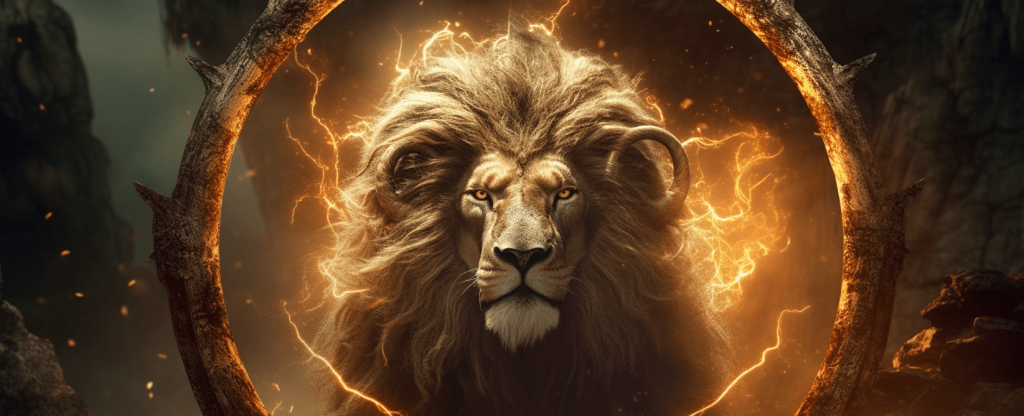
The Signet Lord essentially concerns a youngster named Fyfer Jack who discovers he may be the lost prince for a distant kingdom, because the prince has gone missing, and Fyfer Jack is an orphan adopted by dwarflike Neanderthal men called Thivvens, who found him as a baby in a treetop with no explanation. Could the arrival of the orphan and the disappearance of the prince be a coincidence?
The Mountain King is searching for this young prince in order to kill him so he cannot inherit the throne, and he has sent his warrior-magician Speaknot to find the boy, who just might be Fyfer Jack.
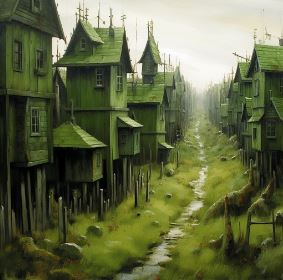
Fyfer Jack spends his days in the Thivven village of Hearthborough, made of “very, very slim, very, very tall wooden buildings of many different shades of green” (as the book says) while caring for the sentient hunting hawks the Thivvens sell for money.
Eventually Fyfer Jack—everyone always says both names for him—has to go off to a proper school, and avoid Speaknot by heading to the huge round Schoolhouse by the Lake run by an old scholar called Moxill. It is there he stumbles on an old book hidden in a red bell-shaped cookie jar; this history book reveals that old magic once allowed royalty to hide through shapeshifting that is managed by the Yellowsongs, nicknames for magicians of an old order who are extremely tall, thin, and yellow-skinned.
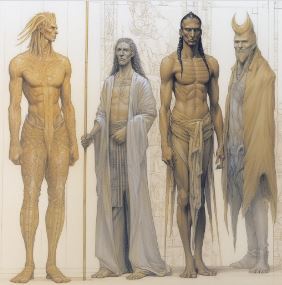
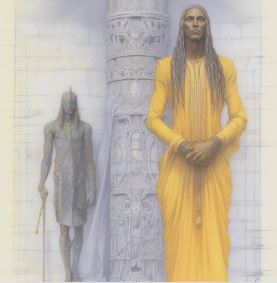
Fyfer Jack realizes that he is not the lost prince…the lost prince shapeshifts constantly, and could be anyone in the kingdom, and can only be detected using a method written of in this very book. News of this important history draws Speaknot to the Schoolhouse by the Lake, and Fyfer Jack goes on the run to avoid revealing the book’s secrets.
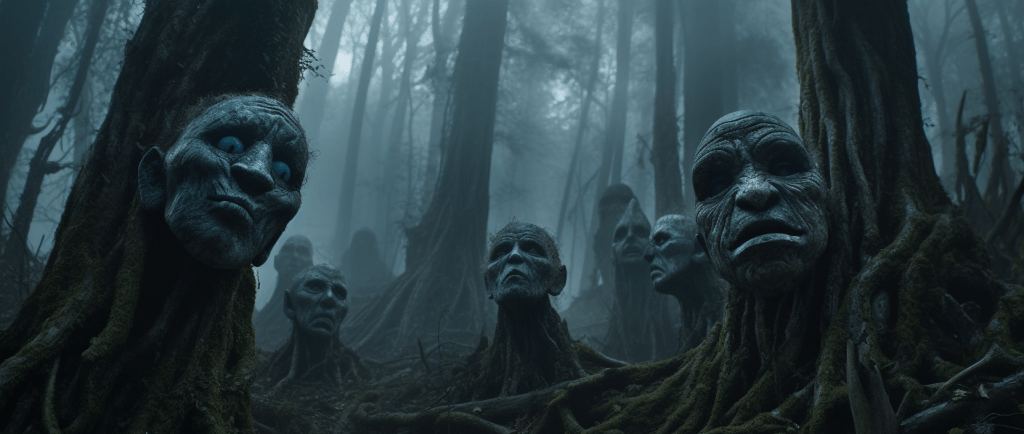
From here, Fyfer Jack and the four Thivvens have a variety of adventures crossing the landscapes of Hearthborough and Leerham and the Gloombrow and the Vineline, all while pursued by Speaknot and his evil warrior guard, the Wraithians.
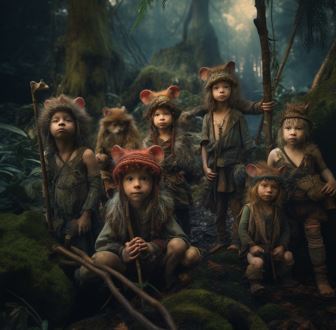
Eventually, the evil Speaknot tortures Fyfer Jack to reveal that the prince can be identified with his signet ring, that upon it is a small patterned piece that can be “turned seven times right,” forcing the prince to reveal his true appearance—and allowing Speaknot to kill this new young Signet Lord so that he may never inherit the throne.
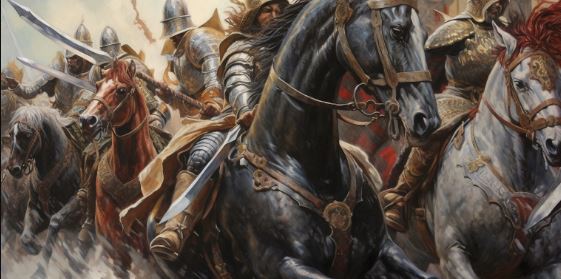
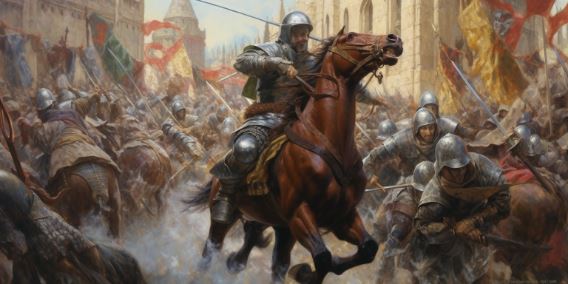
But Fyfer Jack, it turns out, has been a decoy all along, a ploy of the old schoolmaster Moxill, to protect the real lost prince by allowing false rumors of Fyfer Jack’s royal identity to spread near and far.
The reveal is a shock to the reader and everyone in the story as Moxill’s secret has been closely-guarded.
To capture the real prince, Speaknot heads back to Moxill’s schoolhouse in a fury, hoping to find the ignored and often forgotten stable boy Proom, the hidden prince there all along in plain sight. Fyfer Jack and the Thivvens rush to stop these assassins, but in the end, Speaknot succeeds.
Or so we think.
In the final moments, the Yellowsongs—tipped off by Fyfer Jack—save the prince by killing him… that is, we think the boy is dead, but in fact, his soul has been saved, splintered, and yet kept forever, waiting for the day he can safely return in a new form after the death of the Mountain King.
What finally becomes clear is that through a deep, ancient magic, the soul of this great and noble, wise and talented youngster has been separated into thousands of souls—the essence of the prince is now scattered and dispersed into everyone in the kingdom, they each hold a piece of his spirit—and can be brought together into a new baby only through the work of the old and disillusioned, cynical schoolmaster, Moxill, if Fyfer Jack can convince him the kingdom is worth saving.
The story ends with the idea that youth is eternal, within us all, and always waiting to ascend…
It is a note of hope, and of uncertainty. People see in it what they wish.
So this is the story TK Fanthom supposedly created, which was filmed in a pretend movie that doesn’t actually exist, and then the new series covers the child actors from this non-existent film who have grown up and are now being haunted by spiritlike beings that seem to come from that other realm.
Life is complicated.
Weirdly enough, this series about a fake children’s book has inspired real outrage that it is not faithful to its original source material(!), that it’s too dark, and too disrespectful to children’s books in general.
Got it?
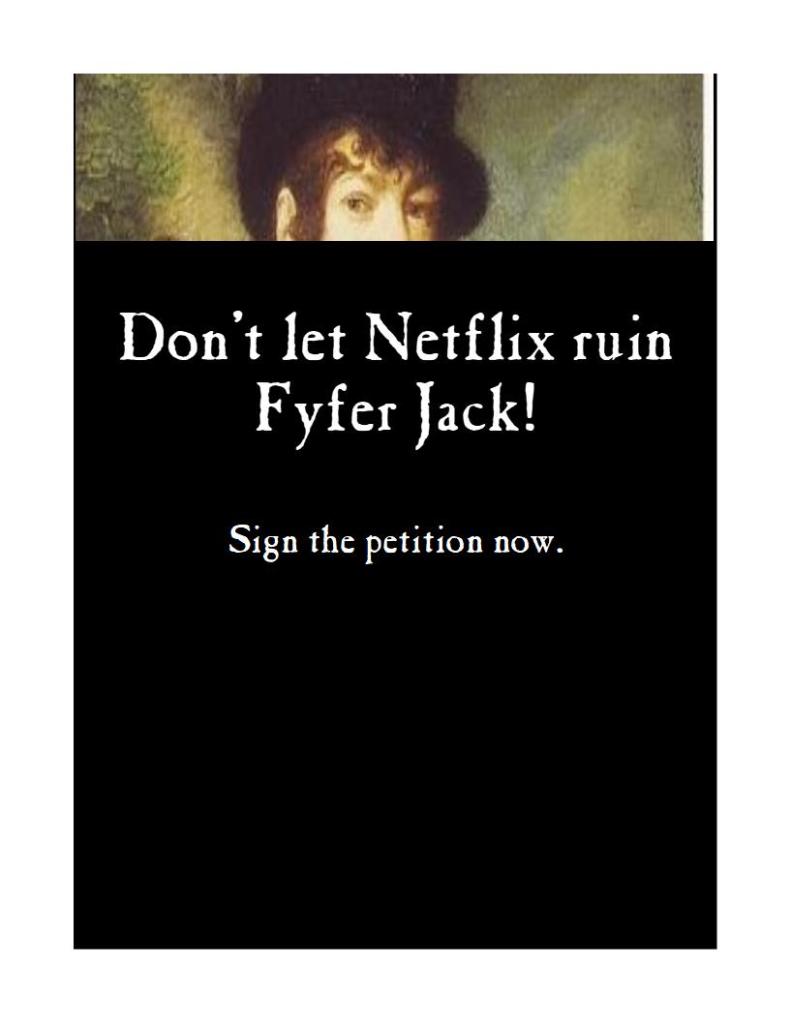
Here is part of the meme campaign to stop Netflix even though Netflix isn’t doing anything wrong!
Meanwhile, the screenplay from the Netflix FANTHOM movie has partly leaked from an online source, and fragments of it are republished here:
FANTHOM: SCREENPLAY LEAK BELOW.
T.K. Fanthom’s classic lives!
 StreamingUtopia.Com